
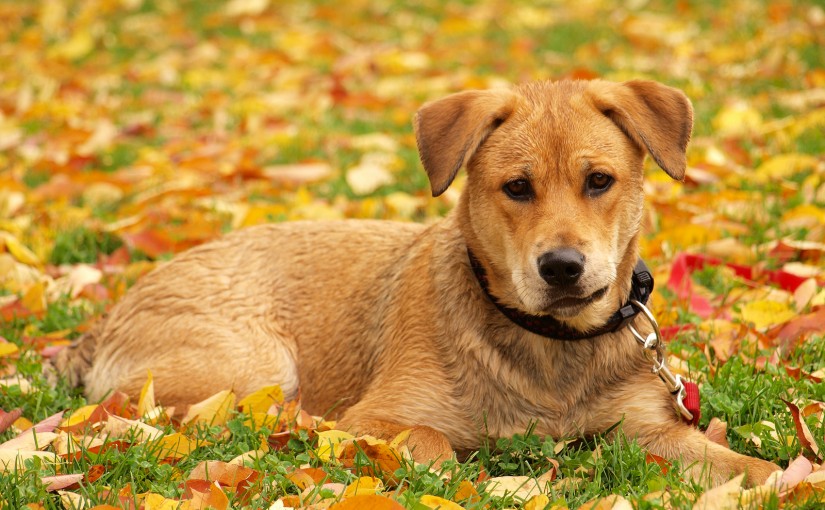
Fall brings with it lots of good—cooler temperatures, pleasantly blustery winds, and gorgeous colors in the trees. It also can mean a slew of new seasonal risks for your pet.
Don’t let a health emergency spoil the autumn fun for you or your best furry friend—take note of these potential hazards to keep your pet happy and safe.
Less Outdoor Lighting
In the fall, the sun starts to rise later and set earlier. This means increased high-risk twilight hours.
To keep dogs safe in darker hours, always keep them on-leash in open areas. Walk on paths with good lighting, stay on the sidewalk, and keep the leash short. For cats that are used to being outdoors, beware that it’ll be harder for drivers to see them on the roads during these twilight hours. Let them out a little later and call them home earlier so they’re only out when the sun is up.
Leaf Piles and Compost
In addition to the increasing darkness, fall can also be a wet season. The combination can lead to increased risks for pets in leaf piles and compost. Trapped moisture leads to mold and bacteria growth. If your pet manages to grab a snack from one of these piles, it can upset their digestion.
Also look out for leaf blowers during this season. The loud noises from the motor can cause loose pets to flee, so never use one while a pet is outside. Also, look out for gas leaks—if your pet licks it up, it can be poison them.
Seasonal Flora
The fall-blooming chrysanthemum can be toxic to pets if ingested. Also, most mushrooms, which are especially prominent during the fall, will cause pets to become ill as well. To keep your pets safe, keep this toxic vegetation out of your yard and avoid letting your pets near them elsewhere.
Many plants associated with fall holidays—such as poinsettia and holly—are extremely poisonous for pets as well. Keep them out of the house, or at very least, safely out of reach.
Seasonal-Use Toxins
While intended for smaller animals, rodenticide is by its very purpose a poison, and can be just as dangerous to beloved pets as it is to the pests it’s intended to keep away. Antifreeze is also highly toxic.
Never use these products anywhere your pet could access them, and store them safely out of reach from your pet, preferably within a cabinet or closet, and check that they are completely sealed.
Allergies
Oh yes, pets get them too. If your furry friend is exhibiting reactions such as scratching, chewing, sneezing, rashes, or watery eyes, your pet may be suffering a reaction to one of fall’s common allergens, such as ragweed or mold. Seek treatment from a veterinarian.
Help is On Hand
Despite the risks, there’s plenty you can do to keep your pets healthy and safe, regardless of seasonal risks. If your pet does somehow ingest a poison or otherwise require medical help, there’s plenty of ways to get quick assistance.
The best first option is to keep your veterinarian’s address and emergency phone number on hand somewhere that is easy to access. There are also emergency pet poison hotlines that can offer quick support on the fly for emergencies. The ASPCA’s Pet Poison Control Center can be reached at (888) 426-4435.
Leave a Reply
You must be logged in to post a comment.